Wood grain is one of the most talked-about concepts in woodworking, and for good reason — it affects how wood cuts, how it absorbs stain, how it moves with moisture, and how beautiful your finished project looks. Understanding grain is fundamental to producing high-quality work. Here’s everything a beginner needs to know.
What Is Wood Grain?
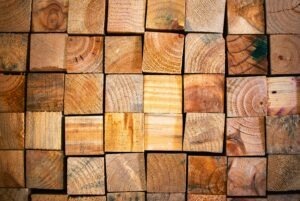
Wood grain refers to the pattern created by the alignment of wood fibers and growth rings within a piece of timber. Every tree grows by adding a new ring of wood each year, and how those rings are oriented when the log is cut determines the grain pattern you see in a board. Grain direction is the direction in which those fibers run through a piece of wood — and understanding this direction is critical for cutting, planing, and finishing.
Types of Grain: Straight, Irregular, and Figured
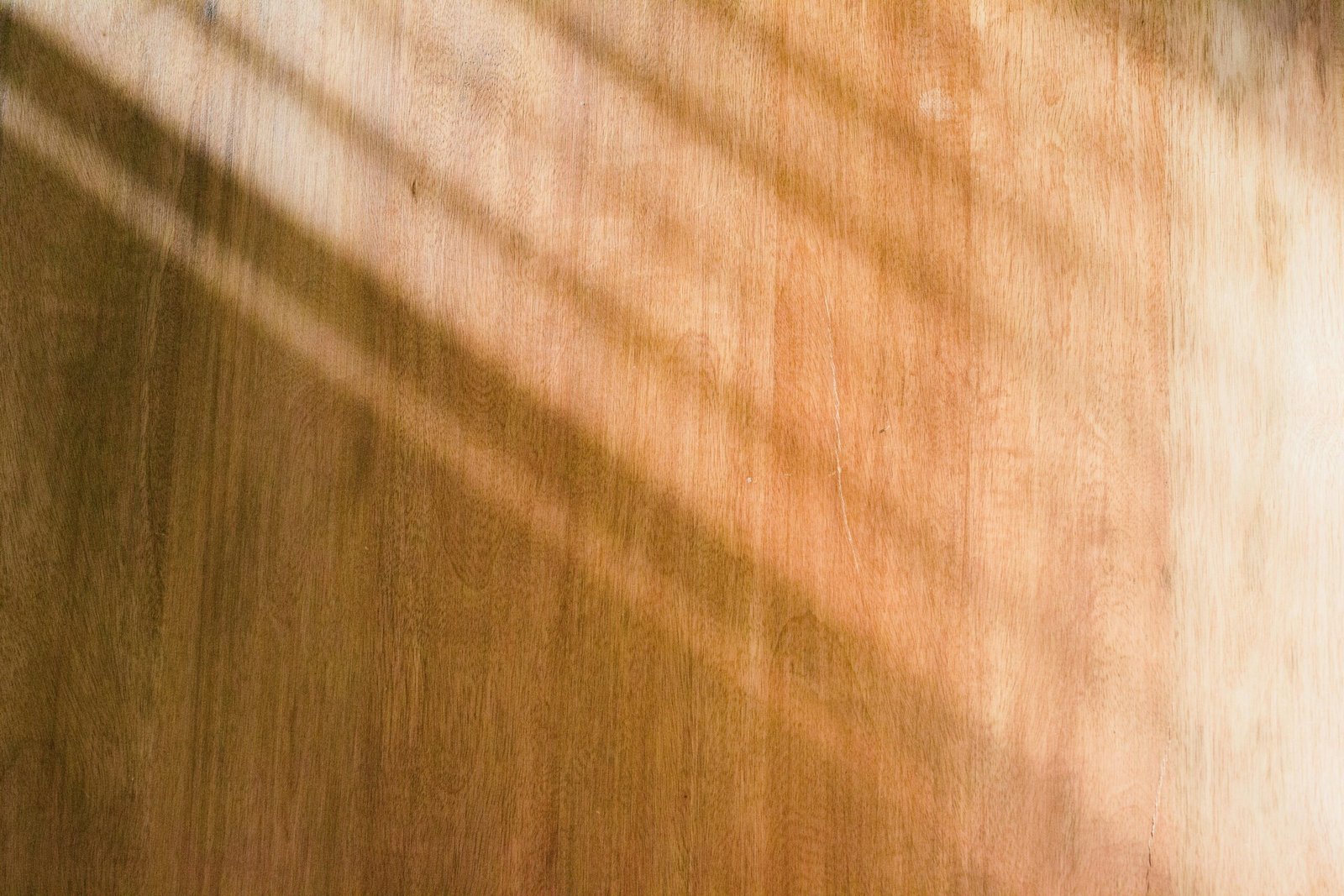
Straight grain runs parallel to the long axis of the wood and is the easiest to work with — tools cut cleanly, and the surface planes smoothly. Irregular grain (wavy, interlocked, or diagonal) can be stunning visually but is more difficult to work — planing against the grain causes tearout. Figured grain patterns like burl, quilted maple, or bird’s eye maple are prized for their beauty but command premium prices and require more skill to work with.
Why Grain Direction Matters When Cutting
Cutting with the grain produces clean, smooth results. Cutting against the grain causes tearout — where fibers are ripped rather than cleanly cut, leaving a rough, damaged surface. This is why hand plane and router direction matters so much. When you’re not sure which direction to plane or rout, take a light test pass on scrap and check the result — if it’s rough, reverse direction.
Grain and Wood Movement
Wood expands and contracts across the grain as humidity changes throughout the seasons. This is one of the most important things a beginner can understand, because ignoring wood movement causes joints to fail, panels to crack, and drawers to stick in summer. Wide panels like table tops must be attached in a way that allows them to move. Joinery must account for the direction of movement to avoid splitting over time.
Grain and Finishing
Open-grained woods like oak and ash have prominent pores that absorb stain unevenly and benefit from a grain filler before finishing. Closed-grained woods like maple and cherry have tiny pores and produce a smooth, even finish with less preparation. End grain absorbs stain far faster than face grain, resulting in a much darker appearance — this needs to be managed with a pre-conditioner or careful stain dilution.
Understanding wood grain is one of those fundamentals that improves every aspect of your woodworking — from cleaner cuts to better finishing to furniture that lasts decades. Pay attention to grain direction before every cut and every finishing step, and your results will improve dramatically.