Walk into any woodworking store and you’ll be confronted by hundreds of tools, each promising to make your projects easier. It’s overwhelming — and it can be expensive. The truth is, you only need a small set of quality tools to get started, and you can build your collection gradually as your skills and projects grow. Here’s exactly what to buy first.
The Non-Negotiables: Your Starter Kit
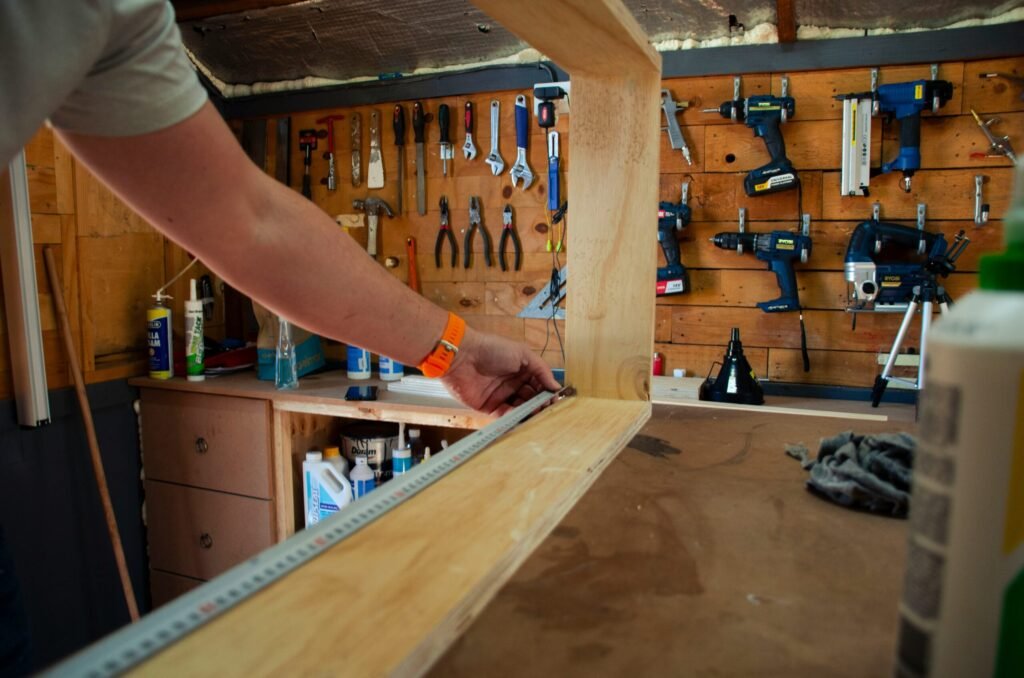
Every beginner needs a reliable tape measure (25 feet is ideal), a quality pencil or marking knife for accurate lines, a speed square (the most versatile and affordable measuring tool), a hand saw or circular saw for making cuts, a set of chisels for shaping and joinery, a mallet for driving chisels, sandpaper in multiple grits (80, 120, 180, and 220), and wood glue. These eight categories cover 80% of what you’ll need for beginner projects and won’t break the bank if you choose mid-range options.
Power Tools Worth Buying Early
Once you’re ready to invest in power tools, start with a drill/driver combo — it’s the single most used tool in any workshop. Next, consider a random orbital sander, which makes finishing work dramatically faster and more consistent than hand sanding. A jigsaw is a versatile and relatively affordable saw that can make curved cuts and is a great stepping stone before you invest in a circular saw or table saw. These three power tools will transform your productivity without a huge upfront cost.
New woodworkers are often tempted to buy a table saw, router table, or bandsaw right out of the gate. While all three are fantastic tools, they’re expensive, take up significant workshop space, and require a level of skill to use safely and effectively. Build your hand-tool and basic power-tool skills first. By the time you’re ready for a table saw, you’ll also know exactly which features matter to you — and you’ll make a much smarter purchase.
Buy Quality Where It Counts
It’s tempting to buy the cheapest version of everything, but some tools are worth the investment. Chisels, hand planes, and measuring tools are worth spending more on — poor chisels won’t hold an edge, and an inaccurate square will ruin every project. For power tools, mid-range brands like Ryobi, Ridgid, or Bosch offer excellent value for the money. Save the premium price tags for tools you know will become daily workhorses in your shop.
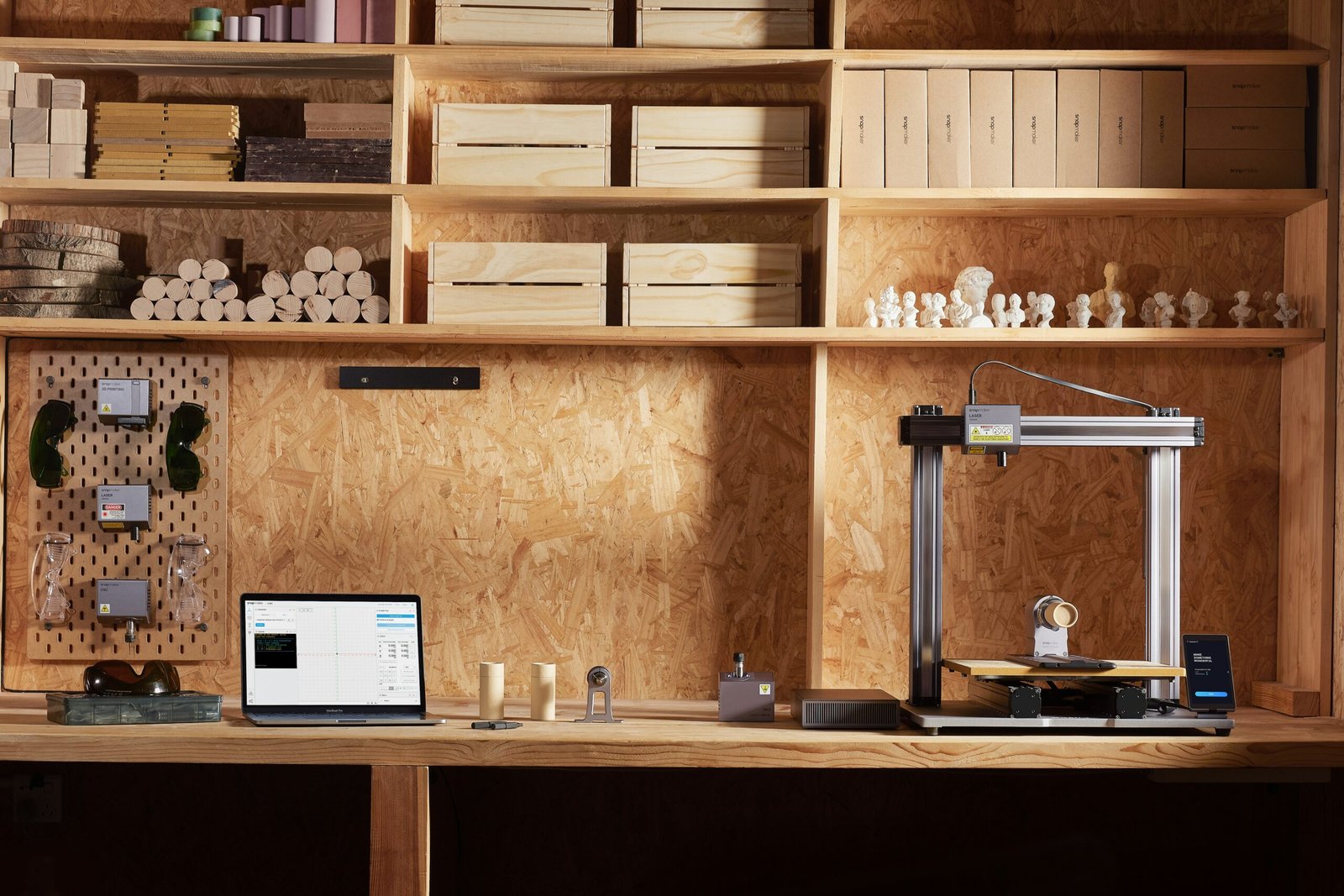
Before you buy a single cutting tool, invest in safety equipment. You need safety glasses or goggles rated for workshop use, hearing protection (especially for power tools), and a dust mask rated at least N95 for sawdust. This equipment costs very little relative to a trip to the ER, and good habits formed early will protect you for a lifetime of woodworking.
Final Thoughts
Start small, start smart. A handful of quality tools used well will always outperform a garage full of mediocre ones. Buy the basics, master them, and let your project list guide every future tool purchase. That’s how the pros do it.