Saws are the backbone of any woodworking toolkit, and choosing the right one can make the difference between a frustrating and an enjoyable project. There are dozens of different saws, each designed for specific tasks — but as a beginner, you only need to understand a handful to get started. Here’s what you need to know.
Hand Saws: Where Woodworking Begins
The crosscut hand saw is the classic all-purpose saw — it cuts across the grain and handles most basic cuts a beginner will need. A rip saw is designed to cut along the grain. A tenon saw (or back saw) has a reinforced spine that keeps the blade rigid for precise cuts, making it ideal for joinery work. For beginners, a good quality crosscut hand saw and a tenon saw cover the vast majority of hand-cutting needs.
The Circular Saw: Most Versatile Power Saw
A circular saw is usually the first power saw a beginner buys, and for good reason — it’s relatively affordable, portable, and capable of making long rip cuts and cross cuts in sheet materials. Used with a straightedge guide, it can rival the accuracy of a table saw for many tasks. Choose a model with a 7.25-inch blade and an adjustable base plate for bevel cuts.
The Jigsaw: The Best Saw for Curves
A jigsaw excels at curved cuts, internal cuts (cutting a hole inside a board), and general versatility. It’s one of the most beginner-friendly power saws because it’s lightweight, easy to control, and forgiving of mistakes. A quality jigsaw with orbital action will handle everything from thin plywood to thick hardwoods with the right blade selection.
The Miter Saw: Precision Crosscuts Made Easy
A miter saw (or chop saw) is mounted on a stand and makes extremely accurate crosscuts and angled cuts. If you build a lot of furniture, frames, or anything requiring precise angles, a miter saw will transform your work. Compound miter saws also tilt the blade for bevel cuts. They’re more of an investment than a jigsaw or circular saw, but serious hobbyists find them indispensable.
The Table Saw: The Workshop Centerpiece
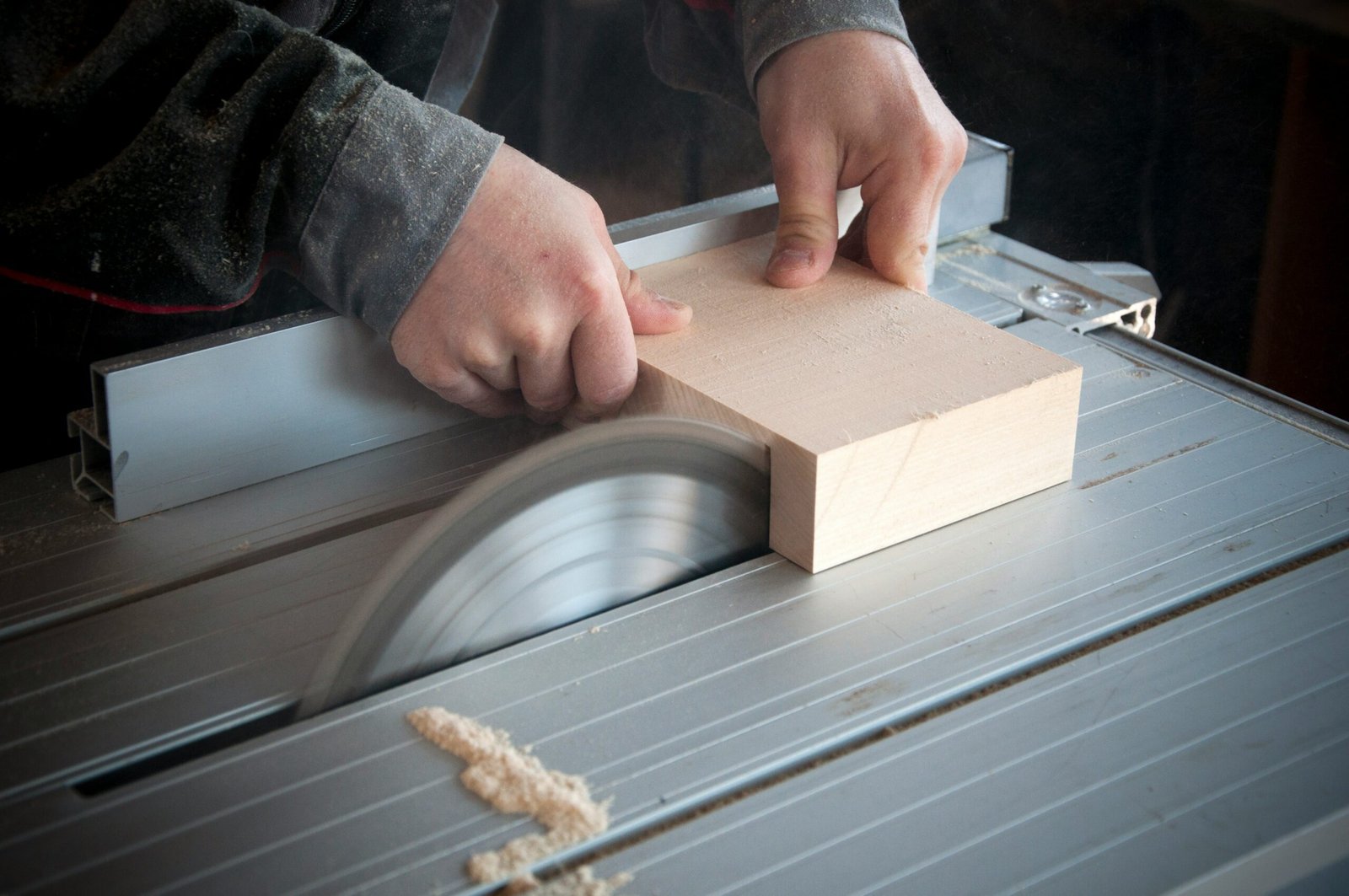
The table saw is the most powerful and versatile tool in most woodworking shops — capable of ripping long boards, cutting sheet goods, and making precise joinery cuts with jigs and accessories. It’s also the most dangerous saw in the shop, and beginners should only invest in one after developing solid woodworking fundamentals. When you’re ready, look for a contractor-style or hybrid table saw from a reputable brand.
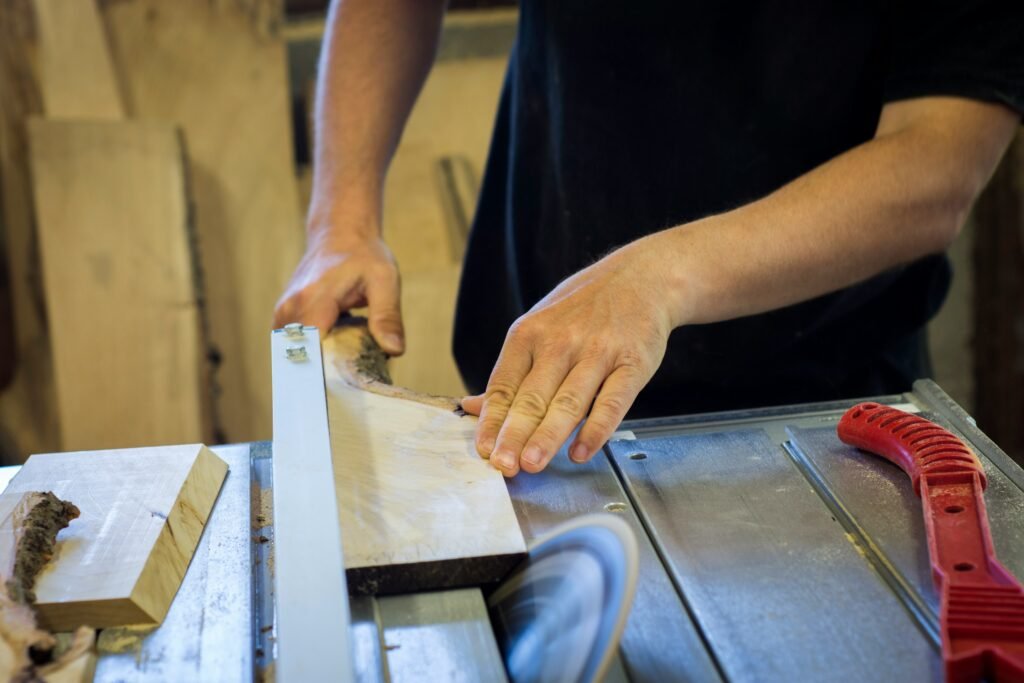
Start with a crosscut hand saw, a tenon saw, and a circular saw — together these cover almost everything a beginner needs. Add a jigsaw for curves and a miter saw when precision becomes a priority. Save the table saw for when you’ve developed enough skill and understanding to use it safely.