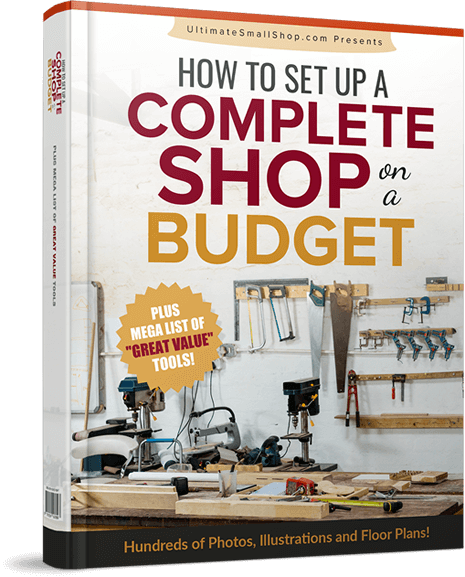
You don’t need a massive space or thousands of dollars to set up a functional woodworking workshop at home. Many of the world’s best craftspeople started in garages, spare rooms, and garden sheds. What matters most isn’t the size of your space — it’s how you organize it. Here’s how to set up a practical, safe, and effective workshop without spending a fortune.
Choosing Your Space
A single-car garage is the classic American workshop space — enough room to work on most projects and to store tools and materials. But a garden shed (8×10 ft or larger), a basement, or even a section of a two-car garage can all work. The most important considerations are: good natural light if possible, access to power (at least two or three outlets), ventilation for dust and fumes, and a floor that can handle wood shavings and the occasional dropped tool.
Your Workbench: The Heart of the Workshop
A solid, flat workbench is the single most important investment in your shop. You can buy a pre-made workbench from stores like Harbor Freight or Costco, but one of the best beginner projects is actually building your own. A simple trestle workbench can be built from construction-grade pine for $60–$100 and will serve you for years. Aim for a height where your hands rest flat on the surface when standing — this prevents back strain during long sessions.
A pegboard wall is one of the cheapest and most effective tool storage solutions available. A 4×4 ft sheet of pegboard with hooks and holders can organize dozens of hand tools and keeps everything visible and accessible. For chisels, planes, and other edge tools, a simple wooden tool rack protects the blades and keeps things neat. Storage bins and labeled drawers for hardware like screws, nails, and sandpaper rounds out a well-organized workshop.
Lighting and Dust Control
Good lighting is not optional in a workshop — poor visibility causes mistakes and accidents. LED shop lights are affordable and provide bright, even illumination. For dust control, at minimum open your garage door while you work. A shop vacuum connected to your power tools helps enormously. A proper dust collector is worth investing in once your budget allows — sawdust is a genuine health hazard with long-term exposure.

Saving Money Without Cutting Corners
Buy second-hand tools where possible — hand tools from estate sales, Facebook Marketplace, and Craigslist can be restored and often outperform modern budget versions. Build your own storage solutions rather than buying them. Start with hand tools before investing in power tools — you’ll learn better technique and avoid expensive mistakes. Join a local woodworking club or makerspace to access tools you can’t yet afford to buy outright.
A great workshop isn’t about how much you spend — it’s about how well you use your space. Start with the basics, keep things organized, and your workshop will grow naturally as your woodworking does. Some of the finest craftspeople in the world work in spaces no bigger than a large shed.