Joints are the foundation of woodworking. They’re how pieces of wood come together to create furniture, cabinets, frames, and boxes that are strong, beautiful, and long-lasting. As a beginner, you don’t need to know every joint — but mastering a handful of the most important ones will dramatically expand what you’re able to build. Here’s your complete introduction.
The Butt Joint: Where Everyone Starts
The butt joint is the simplest joint in woodworking — two pieces of wood joined at their ends or edges, held together by glue, nails, or screws. It’s not the strongest joint, but it’s perfectly adequate for many projects (especially when reinforced with glue and fasteners) and is an excellent starting point for understanding how wood joins together. Most beginner box projects use butt joints.
The Pocket Hole Joint: The Modern Beginner’s Best Friend
Pocket hole joinery uses angled holes drilled into one piece of wood, through which screws pull the pieces tightly together. It’s incredibly fast, requires minimal skill, and produces surprisingly strong results. A Kreg Jig (the most popular pocket hole tool) makes this technique accessible to complete beginners and is worth every penny. It’s the secret weapon behind much modern DIY furniture.
The Rabbet Joint: Perfect for Boxes and Cabinets
A rabbet joint involves cutting a rectangular channel along the edge of one piece of wood, into which the second piece fits. It’s stronger than a butt joint because there’s more glue surface, and it creates a neat, professional-looking corner. It’s the standard joint used in the back panels of cabinets and the bottoms of boxes.
The Mortise and Tenon: The Classic Furniture Joint
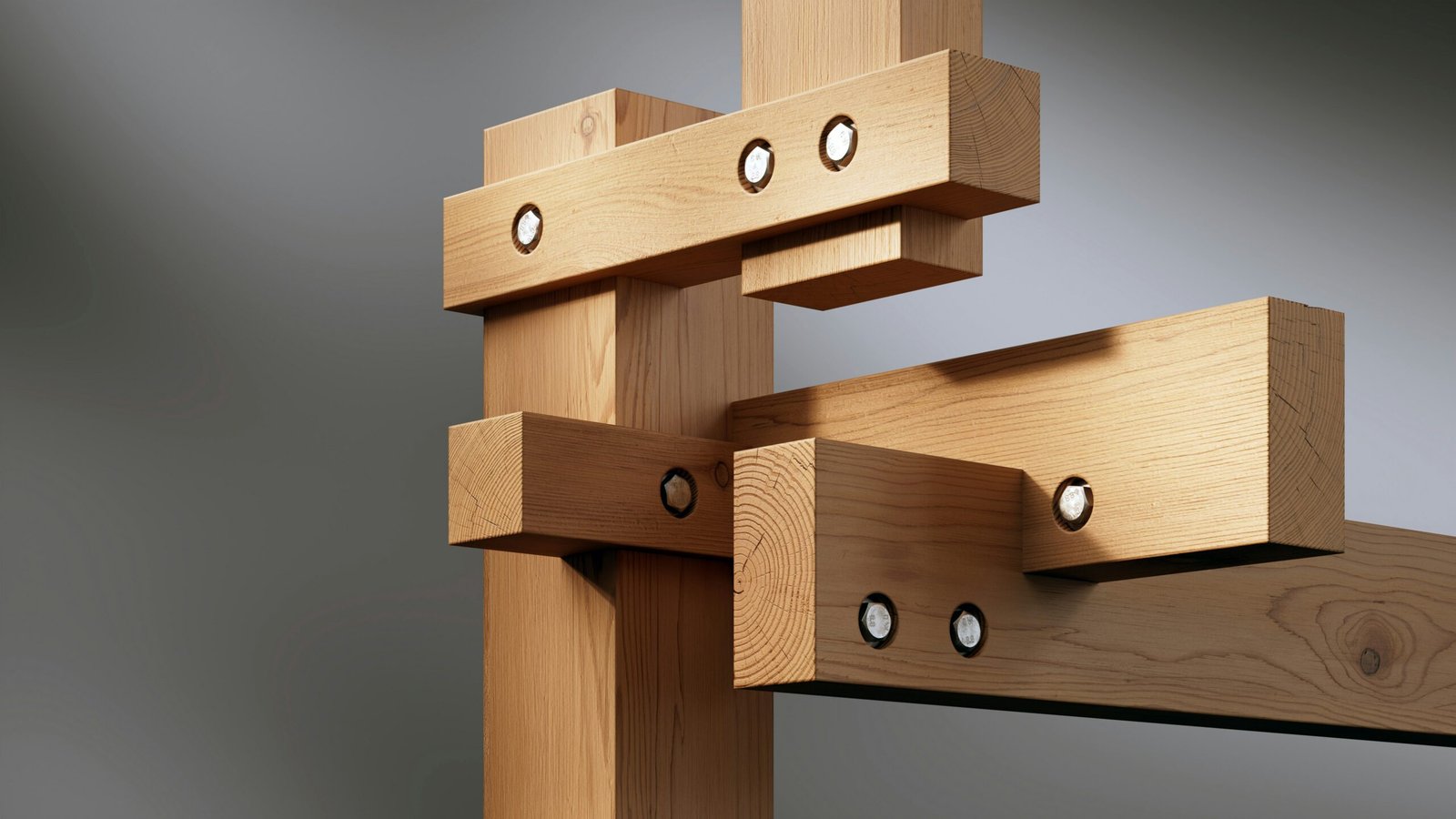
The mortise and tenon is one of the oldest and strongest woodworking joints. A tenon (a projecting tab) on one piece fits into a mortise (a rectangular hole) on the other. It’s used in chair legs, table frames, and anywhere structural strength is critical. It requires more skill and precision than the joints above, but once you’ve mastered it, your furniture-making possibilities open up enormously.
The Dovetail Joint: The Mark of a Skilled Woodworker
The dovetail is the joint that woodworkers aspire to master. The interlocking fan-shaped tails and pins create a mechanical connection that is nearly impossible to pull apart — and it looks stunning. It’s used in drawer construction, box making, and fine furniture. Hand-cut dovetails take practice to perfect, but they are one of the most rewarding skills in the craft.
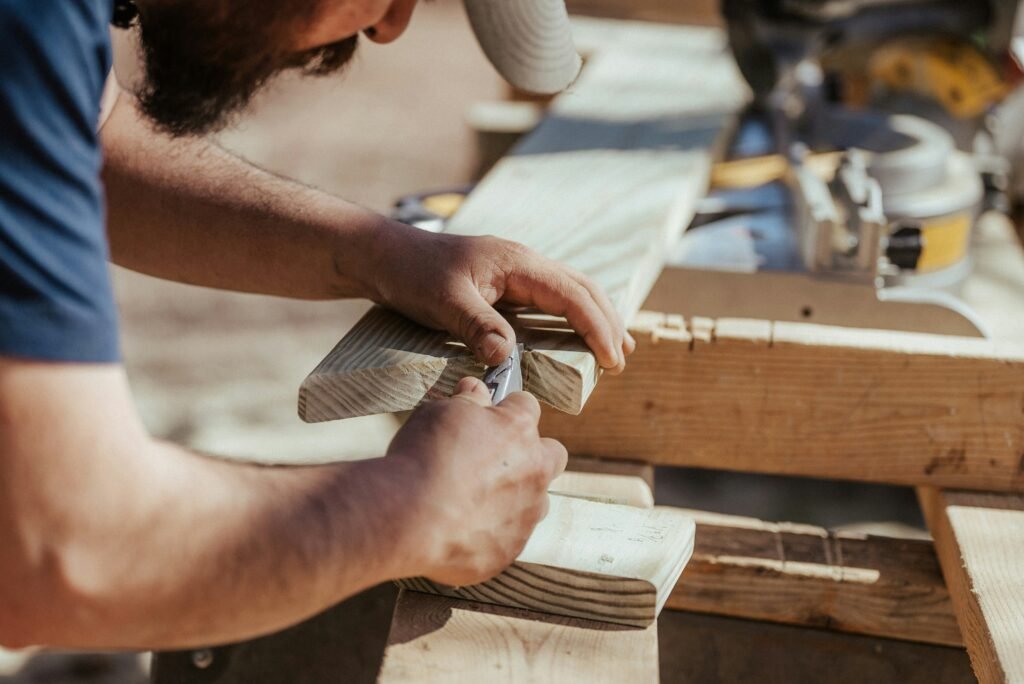
Start with butt joints and pocket holes to get projects built quickly, then gradually work your way up to rabbets, mortise and tenons, and eventually dovetails. Every joint you master adds another tool to your woodworking toolkit — and another level of complexity to what you can achieve.